Rebeca is the news editor at the Concord Monitor, New Hampshire’s capital newspaper. She primarily covers agriculture, paying special attention to animal welfare, food insecurity and the forces that threaten farmers’ livelihoods and the regional food system. She also reports on four towns north of Concord, authors the Monitor’s daily newsletter and helms its weekly podcast.
She is a 2026 Johns Hopkins Food Systems and Public Health fellow and was named 2025 Rookie of the Year by the New Hampshire Press Association.
Her work has been featured in the Commonwealth Beacon, WBUR, GBH, The Emancipator, the Daily Hampshire Gazette and the Dorchester Reporter.
Rebeca can be reached at rebsilper@gmail.com or rpereira@cmonitor.com.
| FEATURED
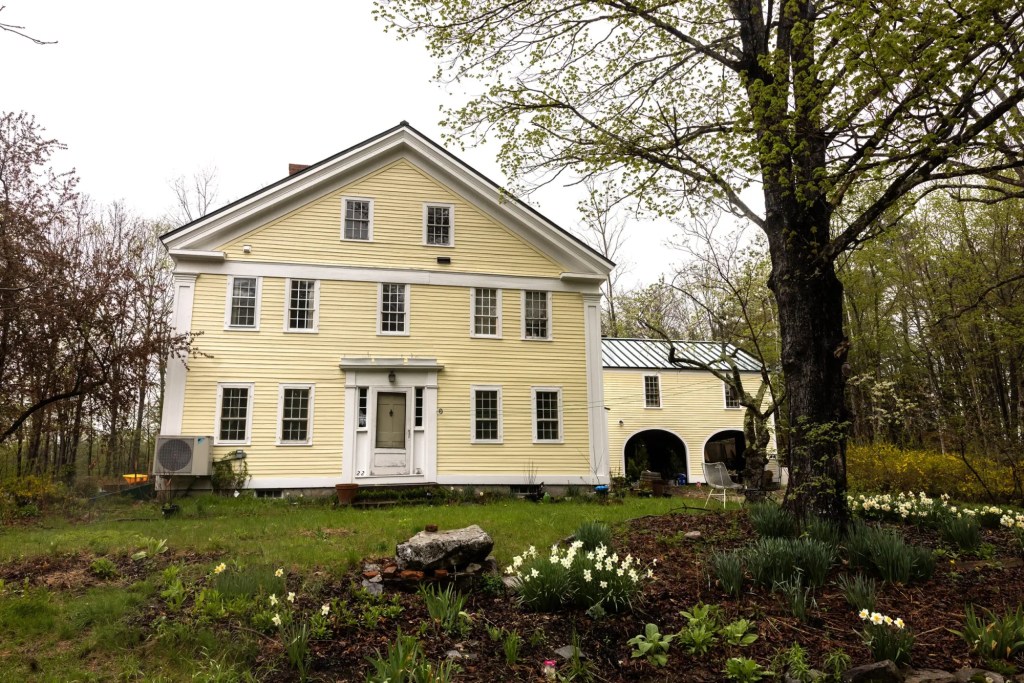
With working group underway, NH Food Alliance explores how to strengthen housing without encroaching on farmland
The American Farmland Trust paints three different scenarios for the future in New Hampshire, projected to be one of the ten states with the highest percentage of agricultural land conversion.
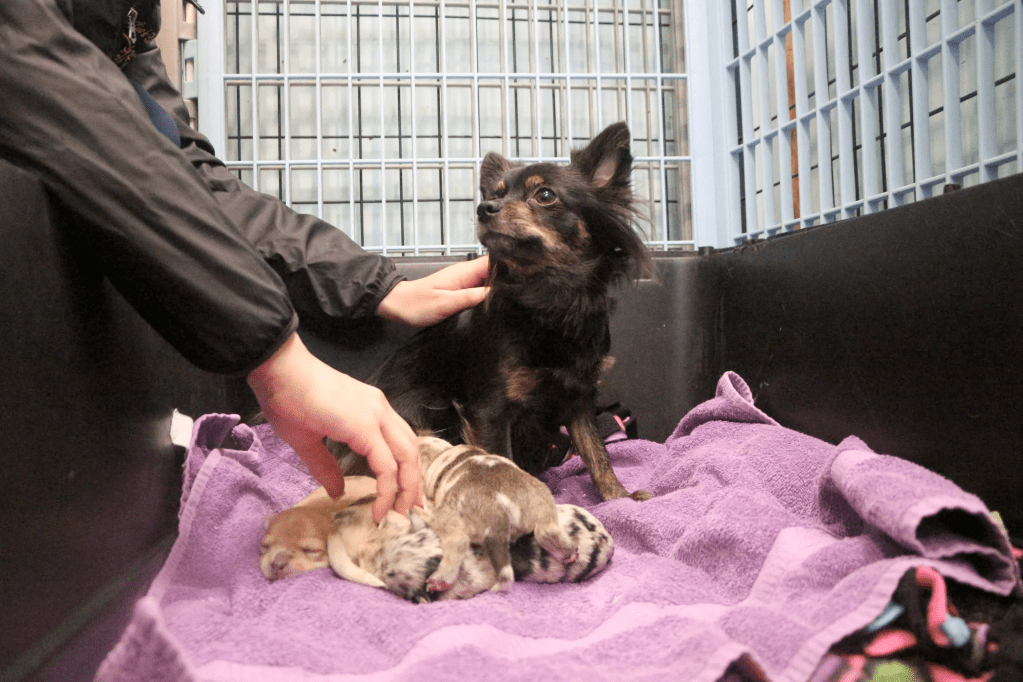
‘Nobody is at the shelter in the middle of the night’: Foster families continue to take in pregnant animals, plead compassion despite state enforcement
Miss Bell wouldn’t move. She wouldn’t eat. Her fate seemed decided.
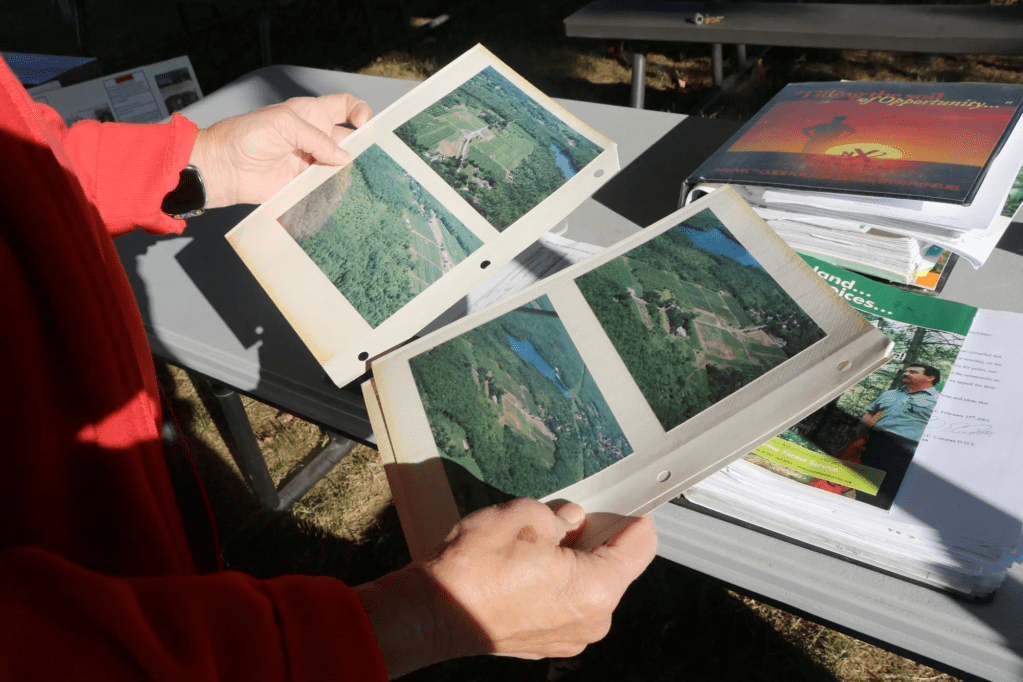
Betting (on) the farm
Massachusetts has lost more than 100,000 acres of farmland since 1997. Without stronger protections, the state stands to lose between 50,000 and 90,000 acres of farmland by 2040.
| RECENTS
‘From support to surveillance’: Bills restricting SNAP fuel moral, implementation objections
As Lisa Beaudoin brought her testimony to a close, Republican Rep. Matt Drew readied for a stand-off. From under the table, he produced a sloshing bottle of soda and set it on top of a stack of documents: “What nutritional value is in that product?”
Their exchange exemplified the friction surrounding parallel efforts in the Senate and House of Representatives to limit SNAP. One would see New Hampshire follow the mold of more than a dozen states that have submitted Healthy Choice waivers blacklisting items like candy and sweetened beverages; the other proposes a slew of data-sharing agreements across state departments, the periodic review of out-of-state EBT transactions and the repeal of what’s called broad-based categorical eligibility.
Cooking for the greater good, CRTC students prepare meals for Concord families in need
Jonathan Strafford feathered turkey meat between his gloved fingers and thought back on the Christmas when he was seven years old.
Before moving to New Hampshire, his family had gathered to distribute sandwiches to people living in encampments in California. In the kitchen at the Concord Regional Technical Center, where Strafford is in the first half of a two-year culinary arts program, he remembered his family’s good deed as he contemplated the purpose of the task at hand.
The trays that Strafford, a junior at Concord High, assembled — sliced breast meat at the top and shredded dark meat wedged into the bottom and sides — would nourish families in the school district experiencing food insecurity.
Students learn about sustainable agriculture through hands-on greenhouse project
At first, the seeds looked to eight-year-old Kelsei Douglas like eggs. She examined them, rolling the granules between her right index finger and the small concave of her left palm, and instead decided they more closely resembled “baby pumpkins.”
During summer vacation, Kelsei and her mom had planted sunflower seeds in front of their apartment building, but those were oblong and pointed, she recalled, nothing like the small, grooved seeds teacher Brian Winslow shared with his third-grade class at the Southwick School in Northfield.
He selected them for their cold-hardiness: The mache seeds won’t need to expend unnecessary energy, relying on grow lights or heaters, to resist the coming winter months. Encased in each seed is a near-certain lesson in agriculture for Winslow’s students, who in mid-December began learning about humankind’s transition away from hunting and gathering approximately 12,000 years ago.
Warren Zanes: Springsteen biographer and still a Concord kid
Warren Zanes would not have called himself a writer in college.
Despite his laurels — prizes for fiction writing and academic achievement at Loyola University — a potent fear of failure racked his conscience. He supposed being published in The New Yorker might legitimize him, or at least soften his critical eye toward himself, but he hadn’t submitted any of his writing to the magazine. More than dispiriting, his fear was paralyzing.
When an idea flits into his mind now, he treats writing, and rewriting, as a certainty and harbors no reservations about putting words on a page almost immediately. His process is uneven and iterative, a ritual in “always backing up.”